
German-built simulations offer hope for honeybee conservation

Scientists in Germany, funded by the Federal Ministry of Food and Agriculture, have developed a new approach to studying the effects of pesticides on honeybee colonies, providing promising strategies for their protection. By integrating artificial intelligence (AI) with advanced supercomputer modeling, researchers have developed a system that connects the exposure of individual bees to neonicotinoid pesticides with the overall health of their colonies.

The research, published in Environmental Science & Technology, involved exposing honeybees to sublethal doses of neonicotinoids and monitoring their foraging behavior using AI-based camera technology. The collected data was analyzed with BEEHAVE, a supercomputer simulation designed to investigate stress effects on honeybee colony dynamics. The findings revealed that even low levels of pesticide exposure led to decreased efficiency in pollen foraging, both individually and collectively within the colony.

A particularly encouraging aspect of this study is the reproducibility of the results. The team successfully replicated findings from a 2019 field experiment, demonstrating the robustness of their methodology. This consistency is significant, given the inherent variability in honeybee behavior that often complicates the detection of statistically significant effects.

The implications of this research are extensive. By establishing a clear connection between individual bee behavior and colony health, the study provides a valuable tool for assessing the risks associated with pesticide use. This approach could inform more bee-friendly agricultural practices and guide policy decisions to conserve these essential pollinators.

As honeybees play a crucial role in pollinating crops and maintaining biodiversity, developing such predictive models represents a significant advancement. By harnessing the power of AI and simulation, scientists are better equipped to protect honeybee populations and ensure their ongoing contribution to ecosystems and agriculture.

Cassiopeia A (Cas A)

NASA shows how advanced algorithms transform raw data into meaningful models

NASA’s Chandra X-ray Observatory has introduced new three-dimensional (3D) models of cosmic objects, providing valuable insights into the universe's mysteries. These models, created with advanced theoretical frameworks and computational algorithms, allow scientists and the public to explore stellar remnants and young stars in detail. 

The project focuses on four celestial objects: the supernova remnants Cassiopeia A (Cas A), G292.0+1.8, the Cygnus Loop, and the young star BP Tau. By integrating data from space-based telescopes like Chandra, researchers have produced accurate 3D representations that illustrate these objects' complex structures and evolution.

Central to this initiative are computational algorithms that analyze X-ray emissions and other spectral data, modeling elements and energy distribution within these cosmic bodies. This includes insights into the "Green Monster" in Cas A, an oxygen-rich region with more straightforward origins.

Beyond visualization, these models are valuable research tools, enabling simulations and hypothesis testing about stellar evolution. They are also available for 3D printing, allowing educators and enthusiasts to engage with these celestial representations.

This project highlights the collaboration between observational astronomy and computational science, showcasing how advanced algorithms can transform raw data into meaningful interactive models. Such interdisciplinary approaches will be crucial for understanding the cosmos as technology progresses.

Dr Caroline Roney
Dr Caroline Roney

AI-generated 'synthetic scarred hearts' revolutionize atrial fibrillation treatment

In a groundbreaking development, researchers at Queen Mary University of London have unveiled an artificial intelligence (AI) tool capable of generating synthetic yet medically accurate models of fibrotic heart tissue. This innovation promises to enhance treatment planning for atrial fibrillation (AF), a common heart rhythm disorder affecting approximately 1.4 million individuals in the UK.

AF is characterized by irregular heartbeats caused by scarring (fibrosis) in the heart tissue, which disrupts electrical signals. Traditionally, the extent and pattern of this scarring are evaluated using specialized MRI scans known as Late Gadolinium Enhancement MRI (LGE-MRI). However, the limited availability of high-quality imaging data has presented challenges in developing predictive models for treatment outcomes.

The research team trained their AI model using 100 real LGE-MRI scans from AF patients to address this issue. The AI then generated 100 synthetic fibrosis patterns that closely mimic heart scarring. These virtual models were incorporated into 3D heart simulations to assess the effectiveness of various ablation strategies—a standard treatment that involves creating small scars to block erratic electrical signals.

The results were promising. Predictions based on the AI-generated models proved nearly as reliable as those using actual patient data. This approach preserves patient privacy and allows for exploring a wider range of cardiac scenarios, facilitating more personalized treatment plans.

Dr. Alexander Zolotarev, the study's first author, emphasized AI's supportive role in clinical settings: "This isn't about replacing doctors' judgment. It's about providing clinicians with a sophisticated simulator to test different treatment approaches on a digital model of each patient's unique heart structure before conducting the procedure." b8b43306ccbc25c8f77ce162f0256321

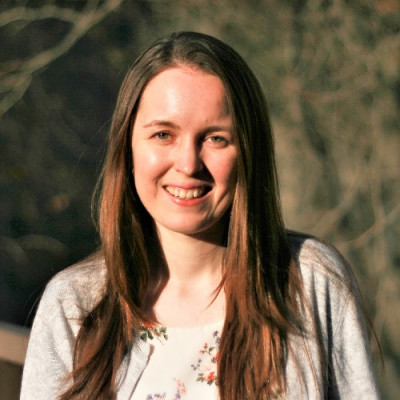
This initiative is part of Dr. Caroline Roney's UKRI Future Leaders Fellowship project, which aims to develop personalized 'digital twin' heart models for AF patients. Dr. Roney highlighted the significance of this research: "We're very excited about this work as it addresses the challenge of limited clinical data for cardiac digital twin models. Our key development enables large-scale in-silico trials and patient-specific modeling to create more personalized treatments for atrial fibrillation patients."

Given that ablation procedures fail in about half of AF cases, this technology has the potential to significantly reduce repeat interventions, ultimately improving patient outcomes and optimizing healthcare resources.