Duke, Pitt researchers demo training enormous AI models in health care while protecting data privacy

The new platform draws data from multiple institutions while protecting the privacy

Researchers at Duke University and the University of Pittsburgh have developed a platform that allows multiple hospitals and research centers to share private patient data securely to better train machine learning models. The technology could provide single institutions access to advanced predictive tools they could never develop on their own to both advance research and improve patient outcomes.

Called “LEARNER,” researchers summarized the platform’s development at the National Science Foundation’s Convergence Accelerator Expo 2021, an event that shares the program’s research portfolio in an exhibition format, like a big science fair. The new LEARNER platform trains AI models with sensitive health care data by only sharing the internal weightings and workings of the algorithm, keeping all of the data inherently secure in the user’s database.

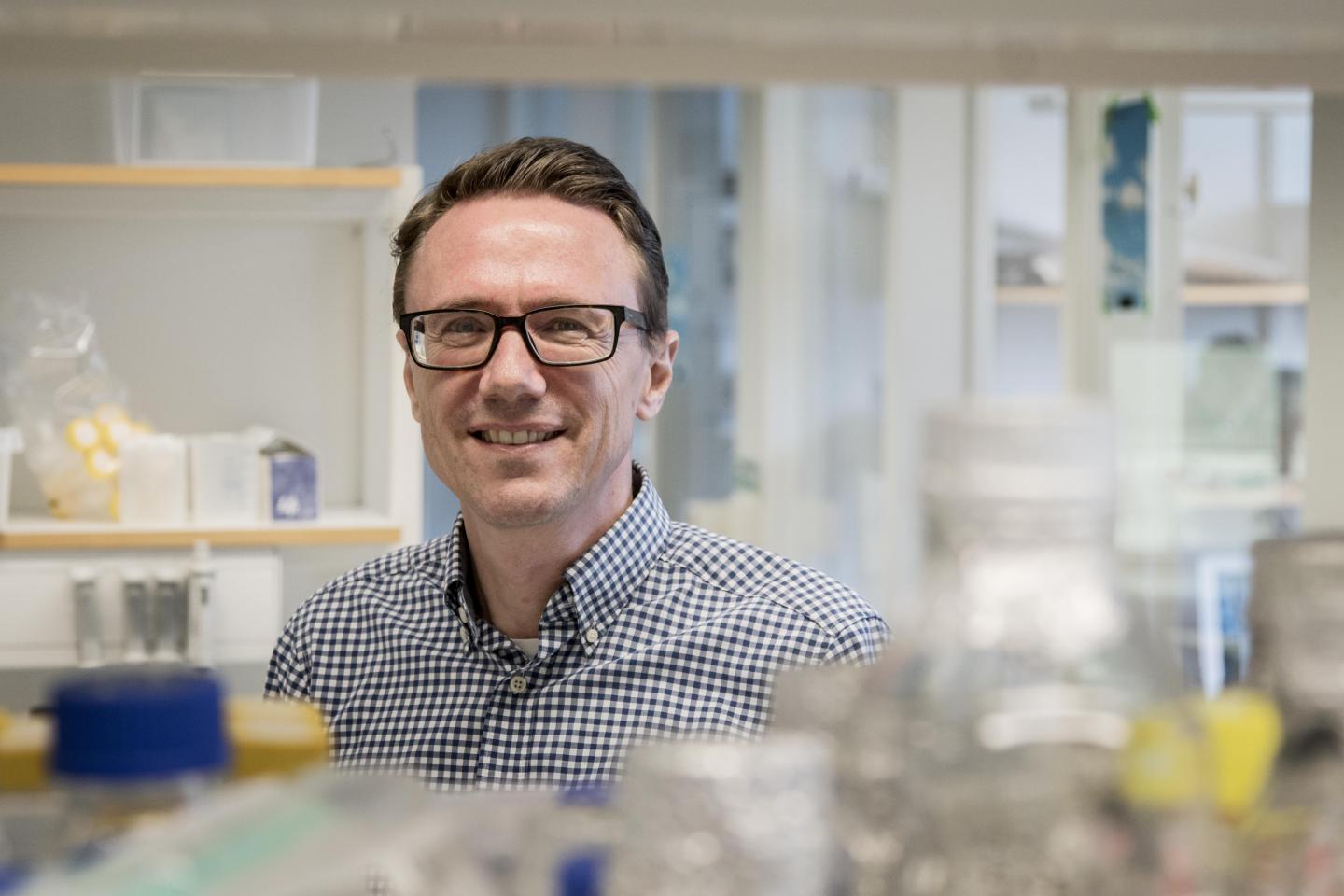
“AI has incredible potential to improve health data analysis and diagnosis, but it requires a vast amount of data to reach a standard that is acceptable to use in real-life decisions,” said Helen Li, the Clare Boothe Luce Professor of Electrical and Computer Engineering at Duke. “And whenever you talk about health care data, there’s always a high level of privacy concerns. LEARNER allows health data from many sources to be used to train an AI model without actually sharing any of the sensitive data.”

When a machine learning algorithm is trained, it compares the decisions it arrives at to the correct answers, attempts to tweak its inner workings to fix the errors, and repeats the process over and over again until it is no longer improving. These tweaks to its inner workings are referred to as weight parameters.

LEARNER is based on a concept called “Federated learning.” In this setup, a single AI model is housed in a central cloud that is provided to users in multiple locations. Each location runs the AI model with its own data and produces a new set of weight parameters, which is in turn sent back to the cloud. The central AI model then uses all of the new weight parameters to develop a single updated algorithm. The process is repeated until the AI model is as good as it can get.

Because only the weight parameters and not the actual data are being shared with the cloud, this technique sidesteps any concerns about data privacy, but the final trained model still represents data from all the entities involved.

“The original information remains hidden on local computers,” explained Li. “For a large model, the process typically requires about 50-100 rounds of training between the local entities and the cloud, which sounds like it might take a long time, but in fact only takes a matter of hours.”

Built in collaboration with Heng Huang, the John A. Jurenko Endowed Professor at the University of Pittsburgh, the LEARNER prototype demonstrated its usefulness in single-cell multi-omic data and electronic health records. In the former, researchers showed that LEARNER could use scRNA sequencing data to predict the protein markers for associating mRNA sequences with protein production. In the latter, they were able to use health record data to predict the probability of heart failure patients being readmitted within 30 days of being released.

But if all goes according to plan, that’s only the beginning. The researchers are developing a user-friendly interface to encourage researchers and doctors to use the platform. Not only would this help LEARNER develop new and better AI health models, but the platform also would eventually provide users with hundreds, if not thousands, of pre-trained AI models that they could use in their own laboratories and hospitals.

“We hope LEARNER will be a platform for health experts who want to take advantage of AI but maybe don’t know a lot about AI themselves,” said Li. “We also hope it will help AI researchers who want to delve into health care and biomedical fields collaborate with one another on large-scale projects.”

Li and her colleagues are in talks with a North Carolina-based AI company to continue to develop and potentially commercialize the LEARNER platform.
Canada's Ecole de Technologie Superieure welcomes two research chairs specialized in artificial intelligence applied to health

1.5 million in funding over three years from the Fonds de recherche du Québec - Santé (FRSQ)

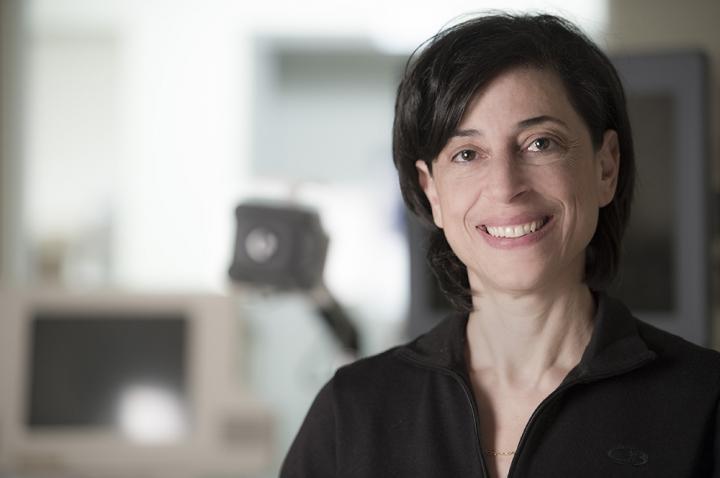
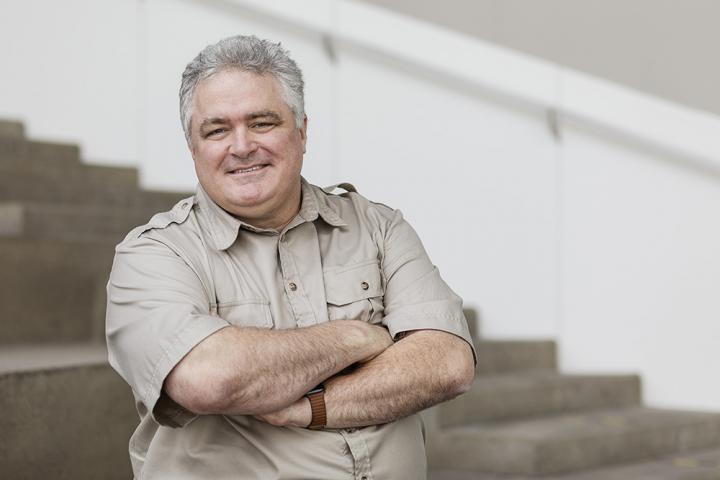
Thanks to $1.5 million in funding over three years from the Fonds de recherche du Quebec - Sante (FRQS), the Ecole de Technologie Superieure (ETS) will host two new research chairs on the artificial intelligence applied to the health field. Eric Granger, professor in the Department of Systems Engineering, and Rita Noumeir, professor in the Department of Electrical Engineering, will hold these two research chairs, which they will co-direct with their colleagues at the Universite de Montreal and Concordia University.

This chair program, which draws on the expertise of the two co-chairs in complementary fields, aims to train qualified personnel who will be able to work in a field combining artificial intelligence and health.

Research chair on the development and validation of clinical decision support systems using artificial intelligence

The work, which will be co-directed by Professor Rita Noumeir of ETS and Professor Philippe Jouvet of the Universite de Montreal and the CHU Sainte-Justine Research Centre, will help healthcare professionals and managers make decisions more quickly in a healthcare context.

As such, intensive care units are an ideal setting for personalized medicine research because they collect a large amount of patient data*, and this data is collected at a high frequency. In addition, this data can be linked to observations, notes, and summaries of medical procedures that are recorded in the patient's electronic record. In short, this data contains a large mass of integrated, amalgamated, and analyzed information that could improve care through the development of algorithms and methods based on artificial intelligence.

On the other hand, the diversity of formats in which this data is presented--be it through laboratory tests, physiological signals, radiological images or medical notes--and the absence of imprecision of some other data requires the development of new methods of data processing to support decision-making in healthcare.

The two co-chairs and their team will seek to address these issues. Ultimately, they plan to create a powerful algorithm that will not only allow for real-time assessment of patient status and distress but also reduce ICU readmission rates and better manage the patient flow between care units.

*This data collection will be supervised by an ethics committee and patients will be asked to consent to its use for research purposes. Rita Noumeir, professor in the Department of Electrical Engineering, ETS

Research chair in artificial intelligence and digital health for health behavior change

How can we help people follow a treatment plan or adopt healthier habits when they use an online health service without human intervention? This is the question that Eric Granger, professor of engineering at ETS, and Simon Bacon, professor of behavioral psychology at Concordia University and researcher at the CIUSSS du Nord-de-l'Ile-de-Montreal Research Centre, will attempt to answer.

Studies have shown that a person's ambivalence--the tug-of-war between their desire to change and their reasons for not doing so--has an impact on their ability to adopt healthier behaviors. Yet, non-verbal expressions provide subtle clues to a person's ambivalence, and these are not taken into account during an online intervention because there is no human being to interpret them.

That could change thanks to the research of Professor Granger, a data scientist. The professor and his team plan to develop new AI technologies that can interpret the non-verbal language of users of these services. By detecting their ambivalence and even distress or motivation, the service would tailor its interventions to be personalized to the user's emotional state. Eric Granger, professor in the Department of Systems Engineering, ETS

Until then, a large amount of multimodal data extracted from videos must first be analyzed. Using specialized deep learning models, it will be possible to accurately assign an emotional state to a combination of data from various sources (e.g., images and sounds) that include, for example, facial expression, voice intonation, gestures, or posture. It will also be necessary to improve the performance of deep neural networks in expression recognition because although they perform well in several types of applications, they tend to degrade due to the small amount of data and the diversity of sources.

The outcome of this research will lead to interventions that will have an impact on changing health behaviors, including physical inactivity and unhealthy diet, which account for up to 80% of the risk of chronic non-communicable diseases.

"ETS is the only university to have been awarded two research chairs under this program, which initially planned to fund only one for all of Quebec. This double award demonstrates that our researchers have acquired very specific expertise in data science. Their scientific contribution will undoubtedly strengthen the international influence of this strategic pole. ETS is also about engineering for a healthier future," said Francois Gagnon, Director General of ETS.

"The funding we received will be almost entirely in the form of scholarships for students who will be able to develop their expertise in the field of artificial intelligence applied to health", said Rita Noumeir, professor-researcher ETS. 

Chalmers' Nielsen builds COmputing the DYnamics of the gut microbiota for designing healthy diets

A new mathematical model for the interaction of bacteria in the gut could help design new probiotics and specially tailored diets to prevent diseases. The research, from Chalmers University of Technology in Sweden, was recently published in the journal PNAS.

"Intestinal bacteria have an important role to play in health and the development of diseases, and our new mathematical model could be extremely helpful in these areas," says Jens Nielsen, Professor of Systems Biology at Chalmers, who led the research.

The new paper describes how the mathematical model performed when making predictions relating to two earlier clinical studies, one involving Swedish infants, and the other adults in Finland with obesity.

The studies involved regular measurements of health indicators, which the researchers compared with the predictions made from their mathematical model - the model proved to be highly accurate in predicting multiple variables, including how a switch from liquid to solid food in the Swedish infants affected their intestinal bacterial composition.

They also measured how the obese adults' intestinal bacteria changed after a move to a more restricted diet. Again, the model's predictions proved to be reliably accurate.

"These are very encouraging results, which could enable computer-based design for a very complex system. Our model could therefore be used for creating personalized healthy diets, with the possibility to predict how adding specific bacteria as novel probiotics could impact a patient's health," says Jens Nielsen. "Intestinal bacteria have an important role to play in health and the development of diseases, and our new mathematical model could be extremely helpful in these areas," says Jens Nielsen, Professor of Systems Biology at Chalmers, who led the research.  CREDIT Johan Bodell/Chalmers University of Technology

Many factors at play

There are many different things that affect how different bacteria grow and function in the intestinal system. For example, which other bacteria are already present and how they interact with each other, as well as how they interact with the host -- that is to say, us. The bacteria are also further affected by their environmental factors, such as the diet we eat.

All of these variables make predicting the effect that adding bacteria or making dietary changes will have. One must first understand how these bacteria are likely to act when they enter the intestine or how a change in diet will affect the intestinal composition. Will they be able to grow there or not? How will they interact with and possibly affect the bacteria that are already present in the gut? How do different diets affect the intestinal microbiome?

"The model we have developed is unique because it accounts for all these variables. It combines data on the individual bacteria as well as how they interact. It also includes data on how food travels through the gastrointestinal tract and affects the bacteria along the way in its calculations. The latter can be measured by examining blood samples and looking at metabolites, the end products that are formed when bacteria break down different types of food," says Jens Nielsen.

The data to build the model has been gathered from many years' worth of pre-existing clinical studies. As more data is obtained in the future, the model can be updated with new features, such as descriptions of hormonal responses to dietary intake.

A potential huge asset for future healthcare

Research on diet and the human microbiome, or intestinal bacterial composition, is a field of research that generates great interest, among both researchers and the general public. Jens Nielsen explains why:

"Changes in the bacterial composition can be associated with or signify a great number of ailments, such as obesity, diabetes, or cardiovascular diseases. It can also affect how the body responds to certain types of cancer treatments or specially developed diets."

Working with the bacterial composition, therefore, offers the potential to influence the course of diseases and overall health. This can be done through treatment with probiotics - carefully selected bacteria that are believed to contribute to improved health.

In future work, Jens Nielsen and his research group will use the model directly in clinical studies. They are already participating in a study together with Sahlgrenska University Hospital in Sweden, where older women are being treated for osteoporosis with the bacteria Lactobacillus reuteri. It has been seen that some patients respond better to treatment than others, and the new model could be used as part of the analysis to understand why this is so.

Cancer treatment with antibodies is another area where the model could be used to analyze the microbiome, helping to understand its role in why some patients respond well to immunotherapy, and some less so.

"This would be an incredible asset if our model can begin to identify bacteria that could improve the treatment of cancer patients. We believe it could really make a big difference here," says Jens Nielsen.