


Sampling Boats
Sampling Boats

Pollution, climate change have harmed biodiversity in freshwater lakes for over 100 years

Introduction

Scientists from the University of Birmingham in the UK and Goethe University in Frankfurt have collaborated to study the impact of environmental changes on freshwater lakes over the past century. Using a DNA "time machine" to analyze sediment cores, the researchers discovered that pollution, extreme weather events, and rising temperatures have contributed to the irreversible loss of biodiversity. Their findings, supported by AI analysis, highlight the importance of protecting and restoring biodiversity for the health and sustainability of ecosystems.

The "Biodiversity Time Machine"

The team used sediment samples collected from the bottom of a lake in Denmark to reconstruct a 100-year history of biodiversity, chemical pollution, and climate change. This particular lake was an ideal natural experiment due to its well-documented shifts in water quality over time. By analyzing the biological and environmental signals contained in the sediment, the researchers were able to build a detailed picture of yearly biodiversity changes, providing unprecedented insights into the impacts of pollution and climate change on freshwater ecosystems.

Pollution and Climate Change Impacts

The researchers used environmental DNA analysis to identify the key factors responsible for the loss of species in the lake. They found that pollutants such as insecticides and fungicides, along with rising minimum temperatures, had the most detrimental effects on biodiversity levels. The DNA analysis also showed that while the lake had started to recover over the past two decades, the overall biodiversity was still significantly altered compared to its pristine state.

Importance of Protecting Biodiversity

Lead author Niamh Eastwood, a PhD student at the University of Birmingham, emphasized the irreversible nature of the biodiversity loss caused by pollution and warming temperatures. The disappearance of species observed in the lake's historical records indicates that not all lost biodiversity can be restored. Eastwood stressed the critical need to protect biodiversity to prevent further losses and preserve the essential ecosystem services that they provide.

Role of AI and Future Research

The researchers used AI algorithms to analyze the DNA and environmental datasets, enabling them to identify patterns and drivers of biodiversity loss over time. They highlight the value of AI-based approaches in understanding the impacts of historic changes and predicting future biodiversity loss under various pollution scenarios. The team plans to expand their research to include other lakes in England and Wales, allowing for the generalization and application of their findings to broader freshwater ecosystems.

Preserving the Future of Freshwater Ecosystems

The study conducted by the University of Birmingham researchers underscores the urgent need for action to protect and restore the biodiversity of freshwater lakes. By understanding the interconnected effects of pollution, climate change, and human activities, policymakers and regulators can develop targeted strategies to mitigate further damage. Preserving the health and diversity of natural ecosystems is crucial for sustaining essential ecosystem services and ensuring the well-being of both wildlife and human populations.

Conclusion

The groundbreaking research conducted by the University of Birmingham sheds light on the century-long loss of biodiversity in freshwater lakes due to pollution and climate change. By harnessing the power of AI and analyzing DNA data from sediment cores, the researchers provided a detailed understanding of the lasting impacts of human activities on ecosystems. This research serves as a call to action, urging stakeholders to prioritize the protection and restoration of biodiversity to safeguard the health and resilience of freshwater ecosystems for generations to come.
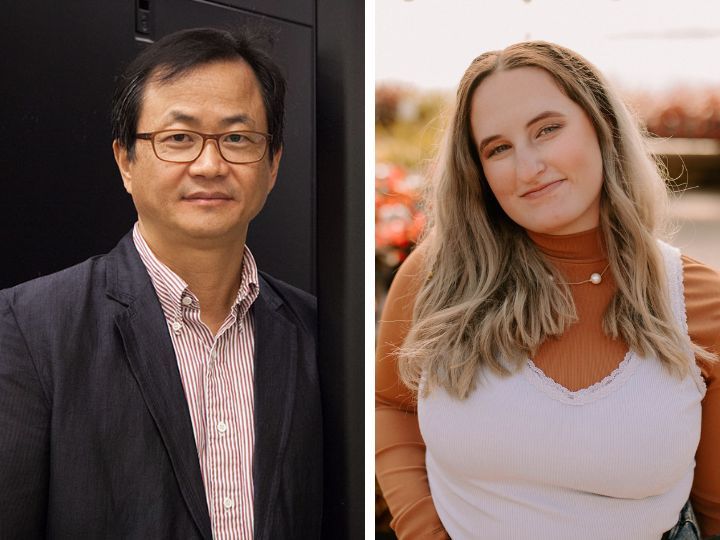

University of Houston researchers Professor Yunsoo Choi and Delaney Nelson condcuted a study integrating the Positive Matrix Factorization (PMF) model with the SHAP algorithm of machine learning to pinpoint Houston's air pollution sources more accurately.

Houston scientists used ML tech to find air pollution sources

Introduction

Houston, a city infamous for its intense heat and industrial environment, has long struggled with high levels of air pollution. To address this problem, researchers at the University of Houston have developed an innovative approach using machine learning and analysis techniques to identify air pollution sources with greater accuracy. Their work has the potential to revolutionize pollution control measures not only in Houston but in other cities as well.

Identifying the Culprits

The research team at the University of Houston combined the Positive Matrix Factorization (PMF) model with the SHAP algorithm of machine learning to gain insights into the specific sources of air pollution in Houston. By analyzing data related to ozone concentration and factors influencing it, the researchers found that the city's oil and gas industry had the highest impact on emissions in industrial areas. They also found that shortwave radiation and relative humidity were the two most significant factors that affected ozone concentration.

Novel Approach

The integration of these two methods, machine learning, and analysis techniques, provides a deeper understanding of the factors contributing to ozone pollution. This comprehensive approach, which had not been attempted in Houston before, enabled the researchers to identify major sources of emissions based on different types of pollutants. By likening it to a fingerprint, they were able to pinpoint pollution sources more accurately, which is crucial for designing effective strategies to combat air pollution.

The Significance of VOCs

Volatile organic compounds (VOCs) are an essential part of the analysis, as they play a significant role in ozone formation. While nitrogen-based compounds primarily come from vehicular emissions, identifying the sources and influencing factors of VOCs is crucial to developing targeted strategies to reduce emissions. The researchers utilized multi-year VOC measurement data from monitoring stations in an industrial area and an urban area to gain insights into the specific emission sources and factors leading to ozone concentrations.

Implications for Houston and Beyond

The results of the study have far-reaching implications for Houston and other cities facing similar pollution issues. The researchers highlight the importance of their findings in helping the local community develop effective policies to combat air pollution, especially in the summer months when high heat and ozone concentrations pose significant health risks. Moreover, their innovative approach could be applied to other cities, each of which requires a unique pollution-fighting strategy tailored to its specific characteristics.

Future Research Prospects

Delaney Nelson, a doctoral student and first author of the paper, expressed her excitement about the potential for future research. While the initial study focused on Houston, Nelson envisions expanding their research to include rural areas, urban areas, and even statewide studies. By comparing pollution profiles across different regions, a comprehensive national strategy to tackle air pollution can be developed.

Conclusion

The University of Houston's research team's cutting-edge approach, integrating machine learning and analysis techniques, represents a significant leap forward in pinpointing air pollution sources. By identifying major emission sources more accurately, this innovative research has the potential to contribute to the development of effective pollution control strategies. As Houston continues its battle against air pollution, this research offers valuable insights and paves the way for a cleaner and healthier future.

AI can accurately detect heart valve disease, predict cardiovascular risk, aid early detection, prevention

AI can accurately detect heart valve disease, predict cardiovascular risk, aid early detection, prevention

Two preliminary research studies presented at the American Heart Association's Scientific Sessions 2023 suggest that artificial intelligence (AI) and deep learning models can accurately detect heart valve disease and predict cardiovascular risk. In one study, an AI program analyzing sound data from a digital stethoscope was found to be more effective in detecting heart valve disease than a healthcare professional using a traditional stethoscope. The AI method detected 94.1% of cases of valvular heart disease, while the standard stethoscope method detected only 41.2%. The other study utilized a deep-learning algorithm to categorize retinal images of individuals with prediabetes or Type 2 diabetes into low-risk, moderate-risk, and high-risk groups for cardiovascular disease events. The results showed that individuals in the moderate-risk group were 57% more likely to experience a cardiovascular event compared to those in the low-risk group, while those in the high-risk group were 88% more likely. 

Dr. Dan Roden, Senior Vice President for Personalized Medicine at Vanderbilt University Medical Center, noted that these findings demonstrate the potential of using AI analysis of retinal imaging and sound data from digital stethoscopes as early detection tools for heart disease in high-risk populations. The use of AI tools in detecting heart valve disease and predicting cardiovascular risk could lead to more efficient and effective screening processes, ultimately saving lives and reducing healthcare costs.

However, it's important to acknowledge the limitations of these studies, such as the small sample sizes and the need for further evaluation and analysis of patient follow-up data. Researchers plan to review clinical outcomes and additional diagnostic tests and treatments to gain a better understanding of the potential impact of these AI tools in cardiovascular care. The development and application of AI-based tools in healthcare are constantly evolving, and these studies provide valuable insights into the potential benefits of AI in detecting heart valve disease and predicting cardiovascular risk. As computational methods and AI technologies become increasingly sophisticated, the future of cardiovascular care could be transformed, enabling early interventions and better management of high-risk patient groups.

The studies were presented at the American Heart Association's Scientific Sessions 2023, which is a global event for the exchange of the latest scientific advancements in cardiovascular science.